Mingus Mill,
North Carolina
Our journey to Gatlinburg, Tennessee started with a drive along the beautiful western section of the Blue Ridge Parkway from Asheville, NC to Cherokee, NC, where we stopped at Oconaluftee. While in the Oconaluftee area, we stopped at a roadside attraction called Mingus Mill. This is the second part of our 4-part series on the Great Smoky Mountains.
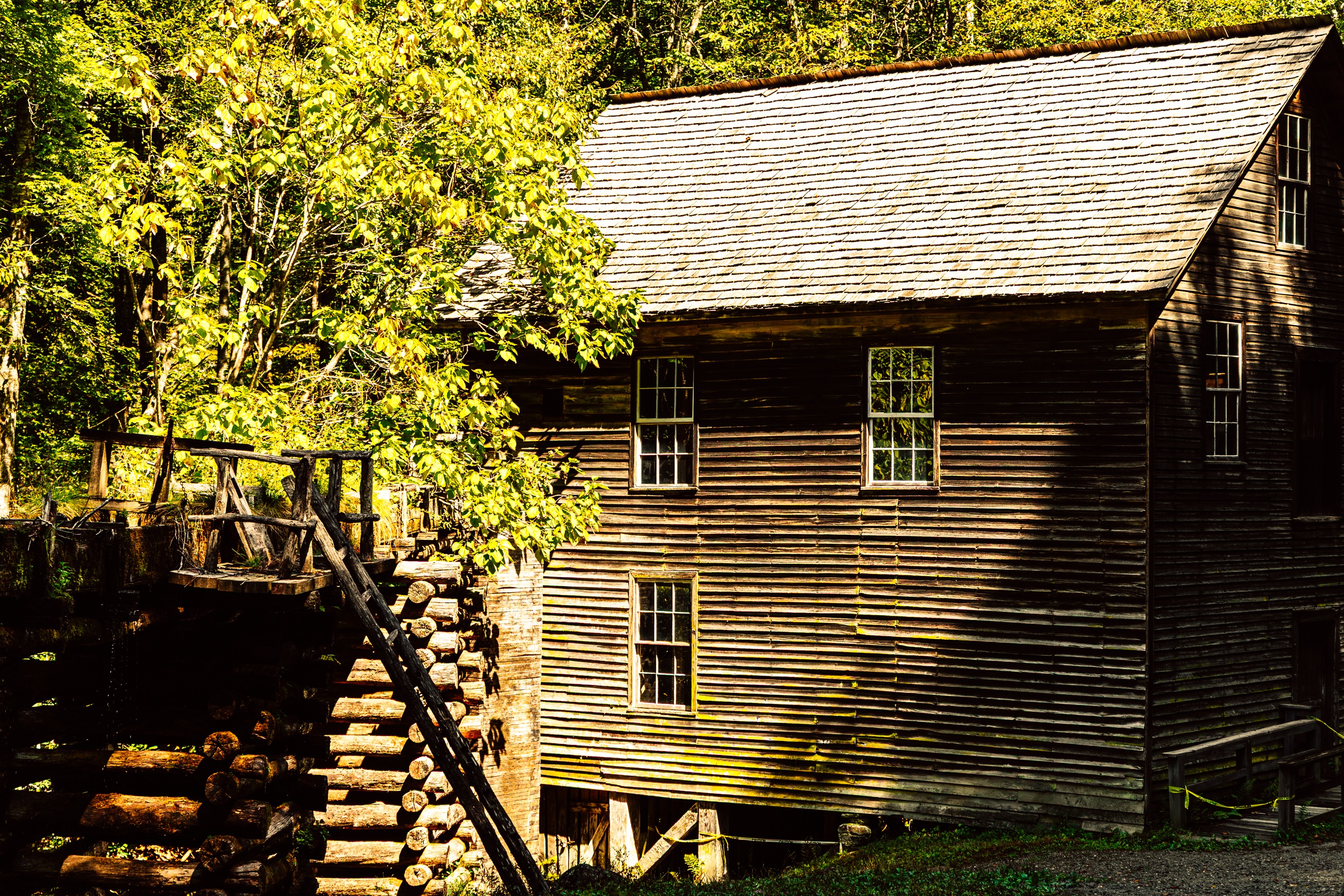
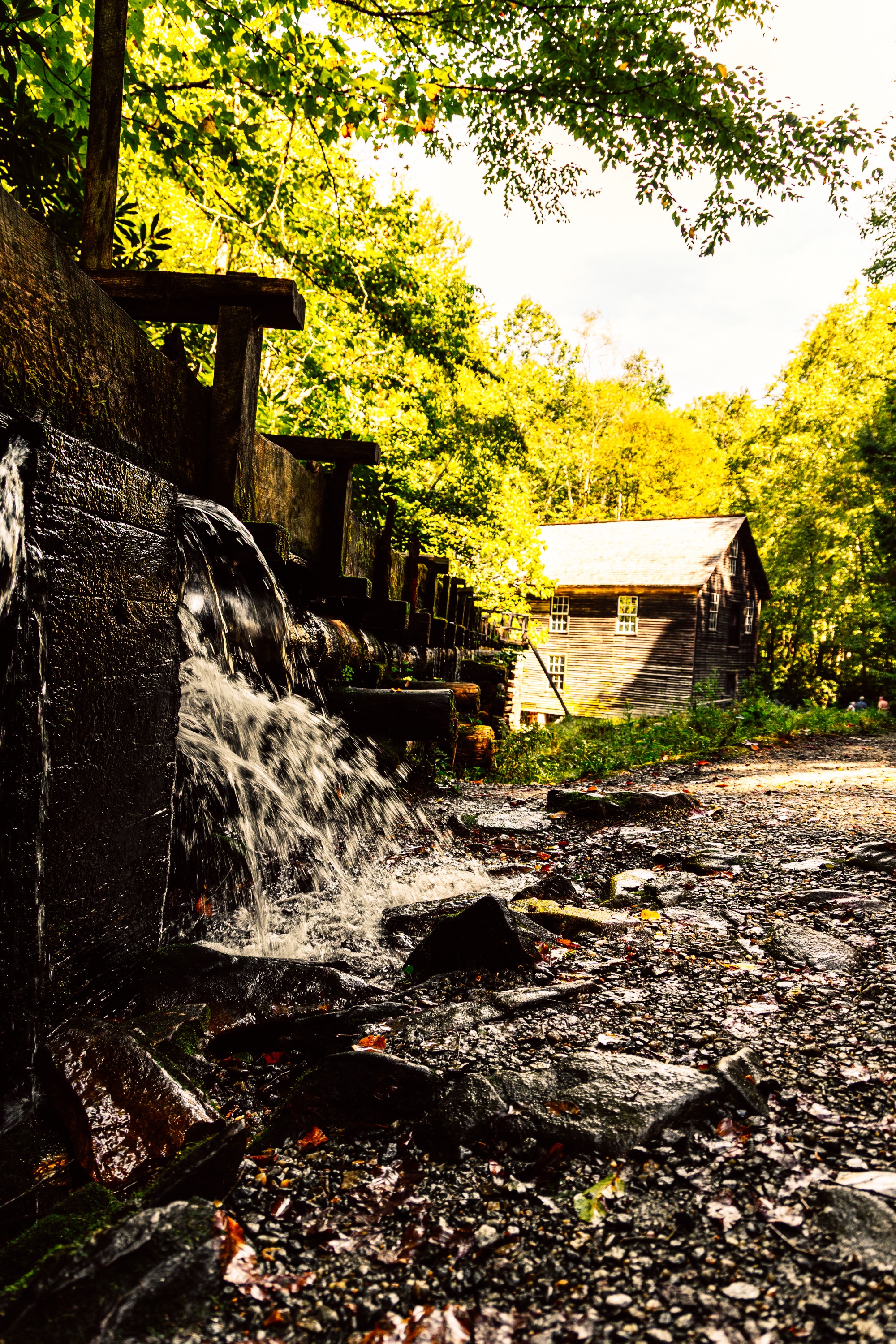
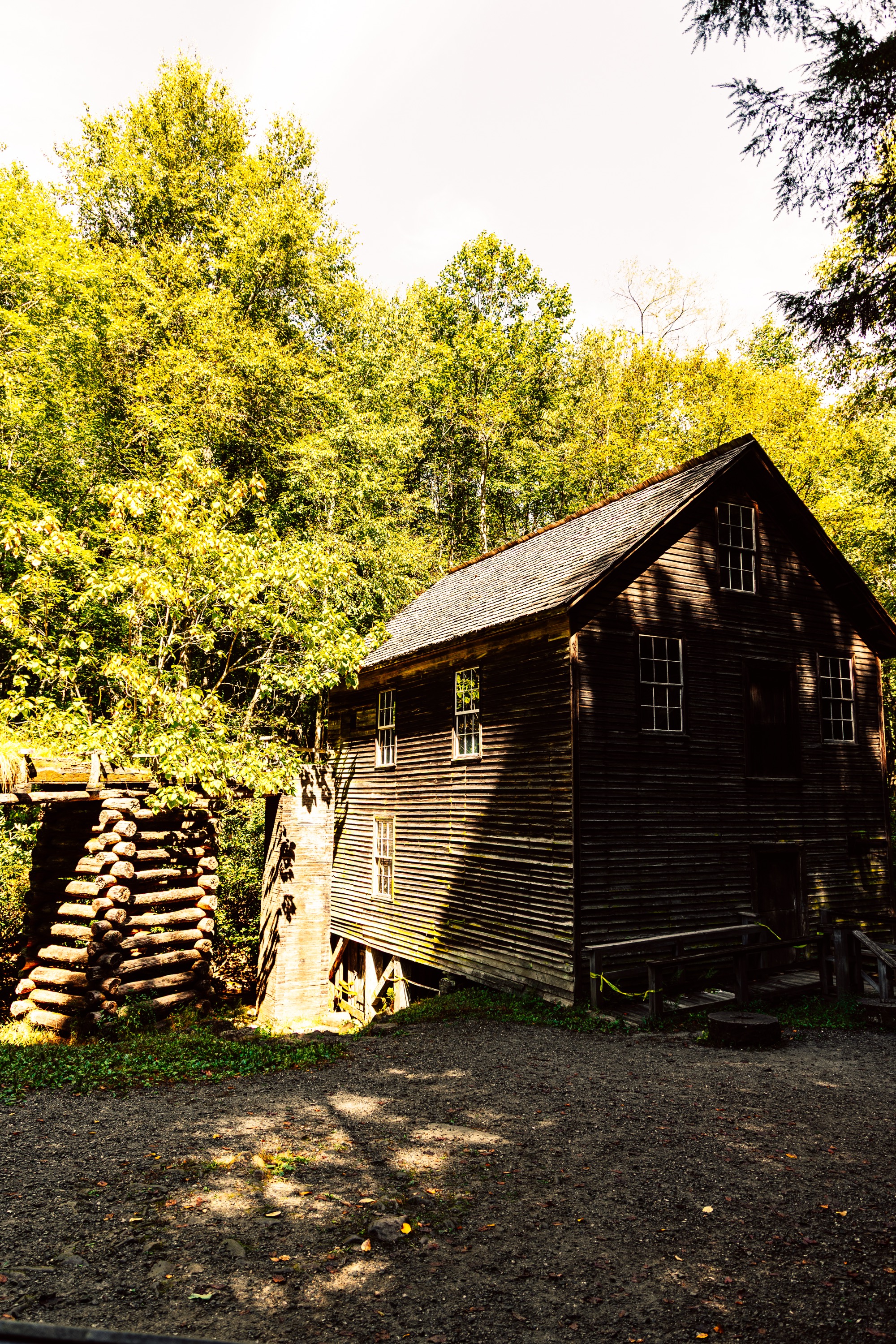
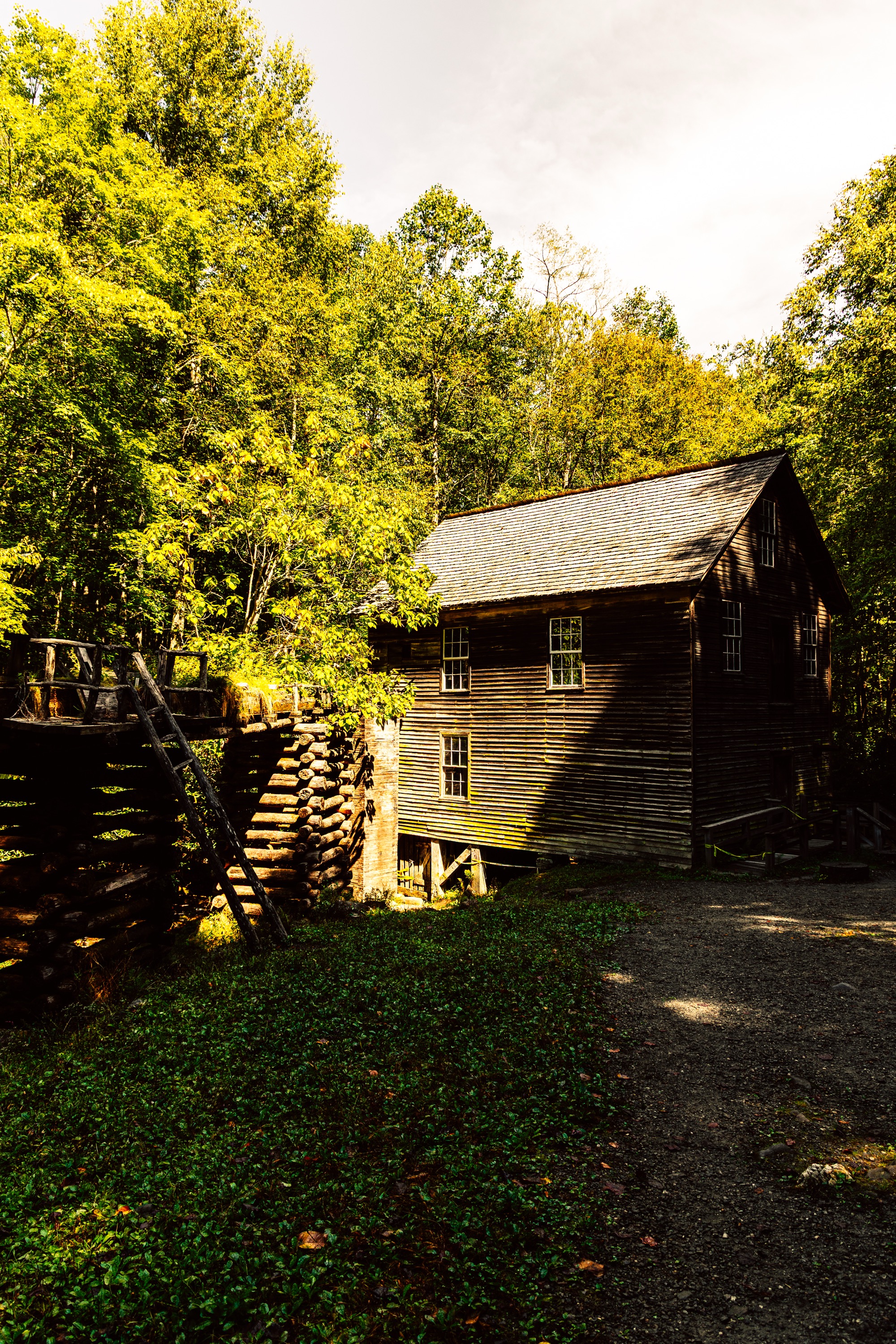
This mill is a historic gristmill built in 1886. The thing that set Mingus Mill apart from other mills was that it was built with a water-powered turbine instead of a water wheel to power the machines inside that would grind grain.
The mill was built for Dr. John Mingus by a millwright named Sion Thomas Early, who left his mark on it in a very literal way: his initials, “STE,” are carved into the front gable under the eaves. The Mingus family ran the mill for decades before selling it to the National Park Service in the 1930s, and the Civilian Conservation Corps restored it and put it back to work as a demonstration mill.
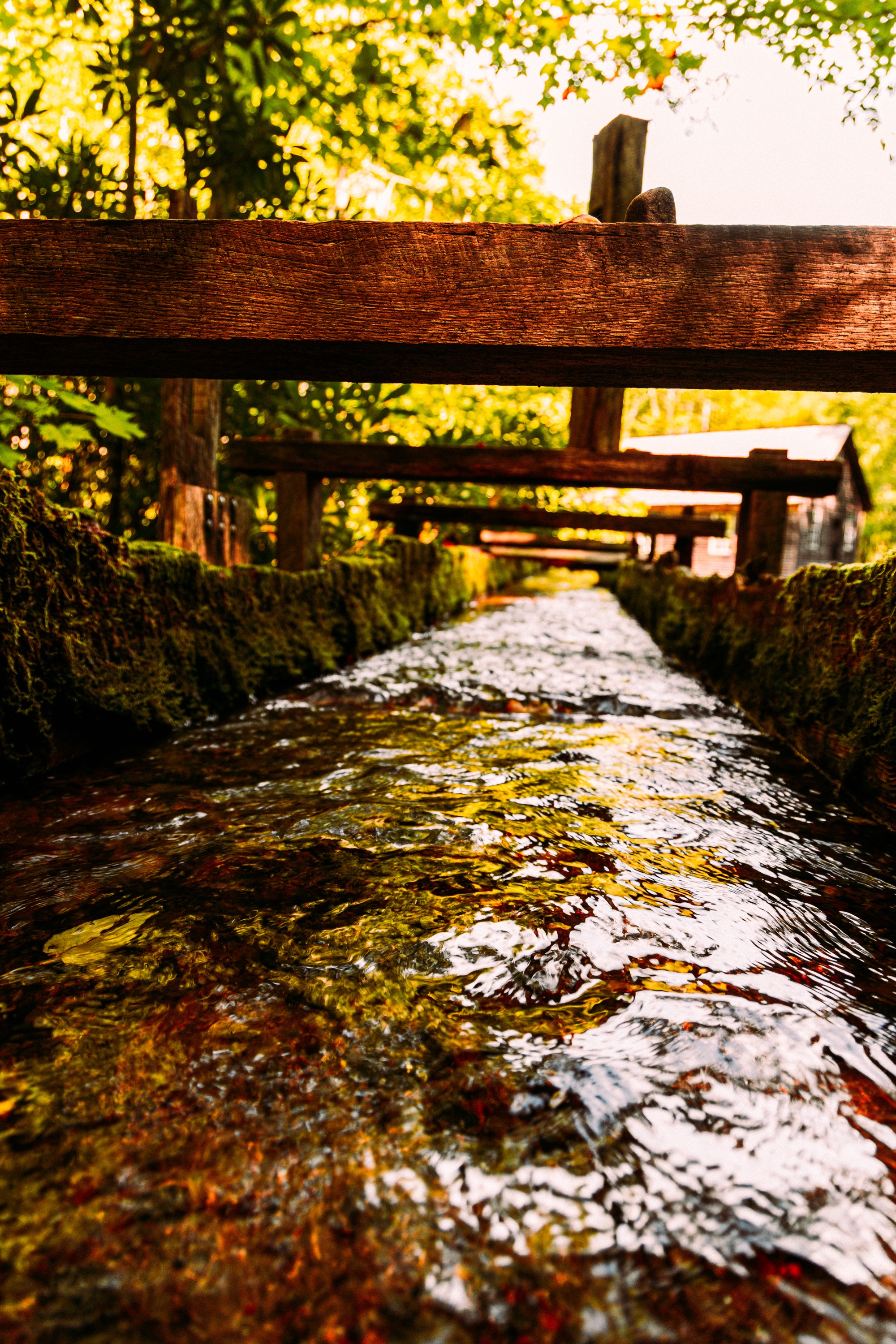
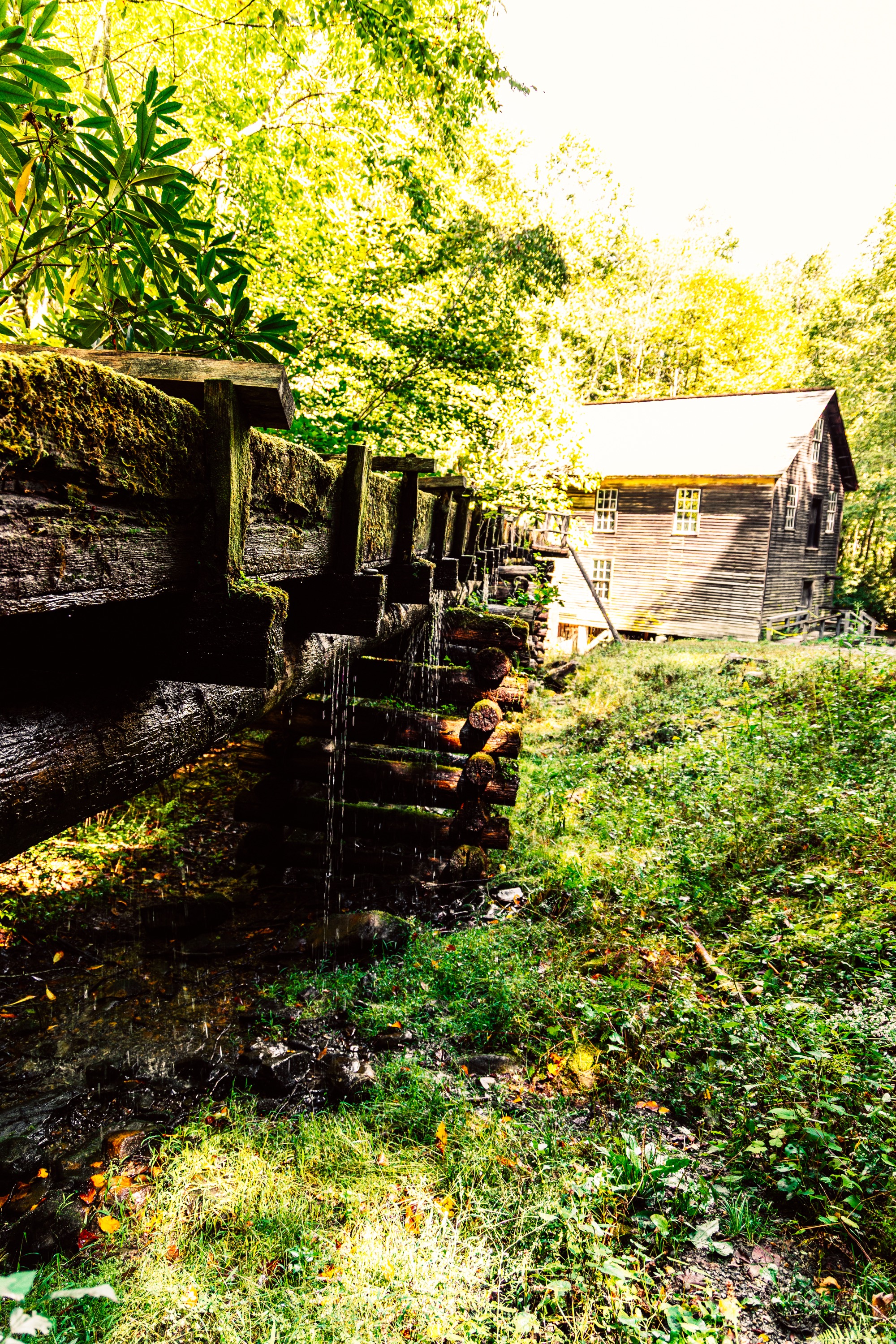
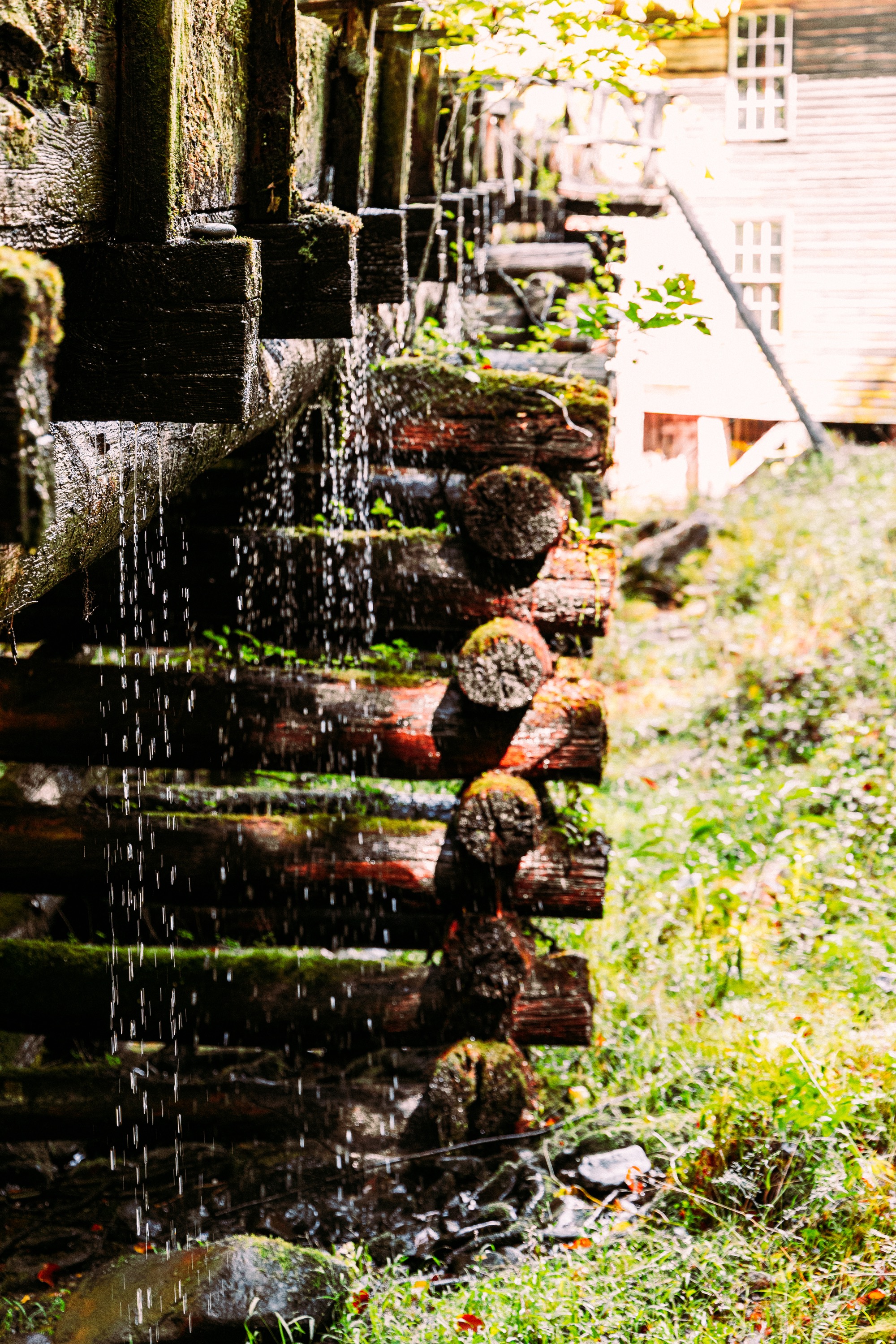
How the water gets to the turbine is half the fun. A small dam on Mingus Creek turns water into a millrace that runs right alongside the trail. From there it flows into a wooden flume, about 200 feet long, that rides on top of stacked log cribbing until it reaches the mill 22 feet up. The water drops down a square wooden shaft called a penstock and spins a steel turbine underneath the building, which drove all of the machinery inside. For a mill in the 1880s Smokies, that was about as advanced as it got.
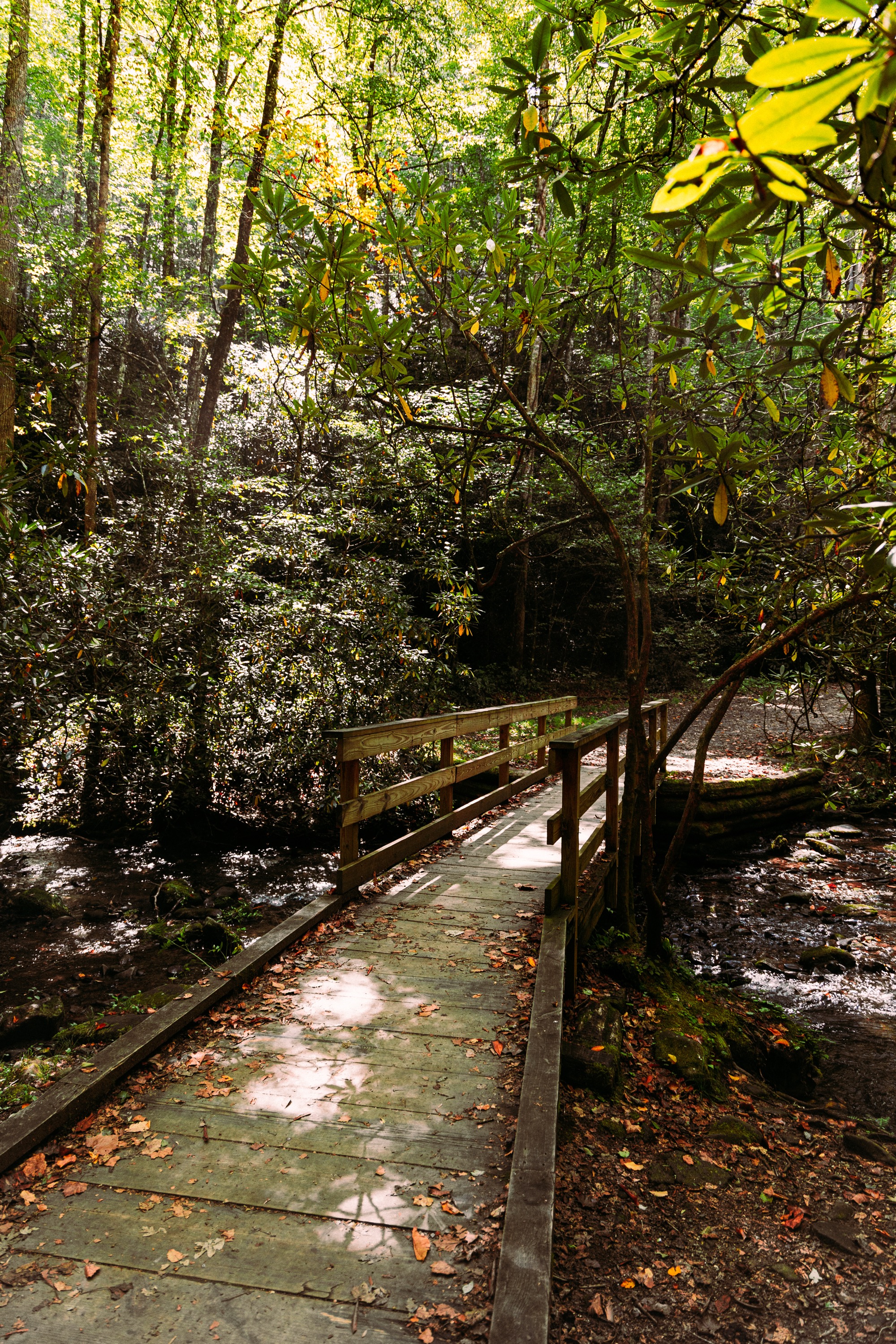
This mill reminds me of Mabry Mill, located along the Blue Ridge Parkway at milepost 176 in Virginia. We had the opportunity to see it last year on our honeymoon to Hot Springs, Virginia.
Mabry Mill was built by Ed and Lizzie Mabry, who started on it around 1905 and had it grinding corn by about 1908. Ed was a blacksmith by trade, and over the years the couple added a sawmill, a blacksmith shop and a woodworking shop, and ran the whole operation side by side for about three decades. Unlike Mingus Mill, Mabry Mill is powered by a classic water wheel, and when that wheel started to give out, Lizzie kept the mill running with a kerosene motor. After Ed passed away in 1936, the Park Service restored the mill as part of the Parkway, and today it’s often called the most photographed spot on the entire Blue Ridge Parkway.
These old mills are particularly fascinating because they were truly ahead of their time, produced food for so many, and have also stood the test of time, with many of them being restored or repurposed.
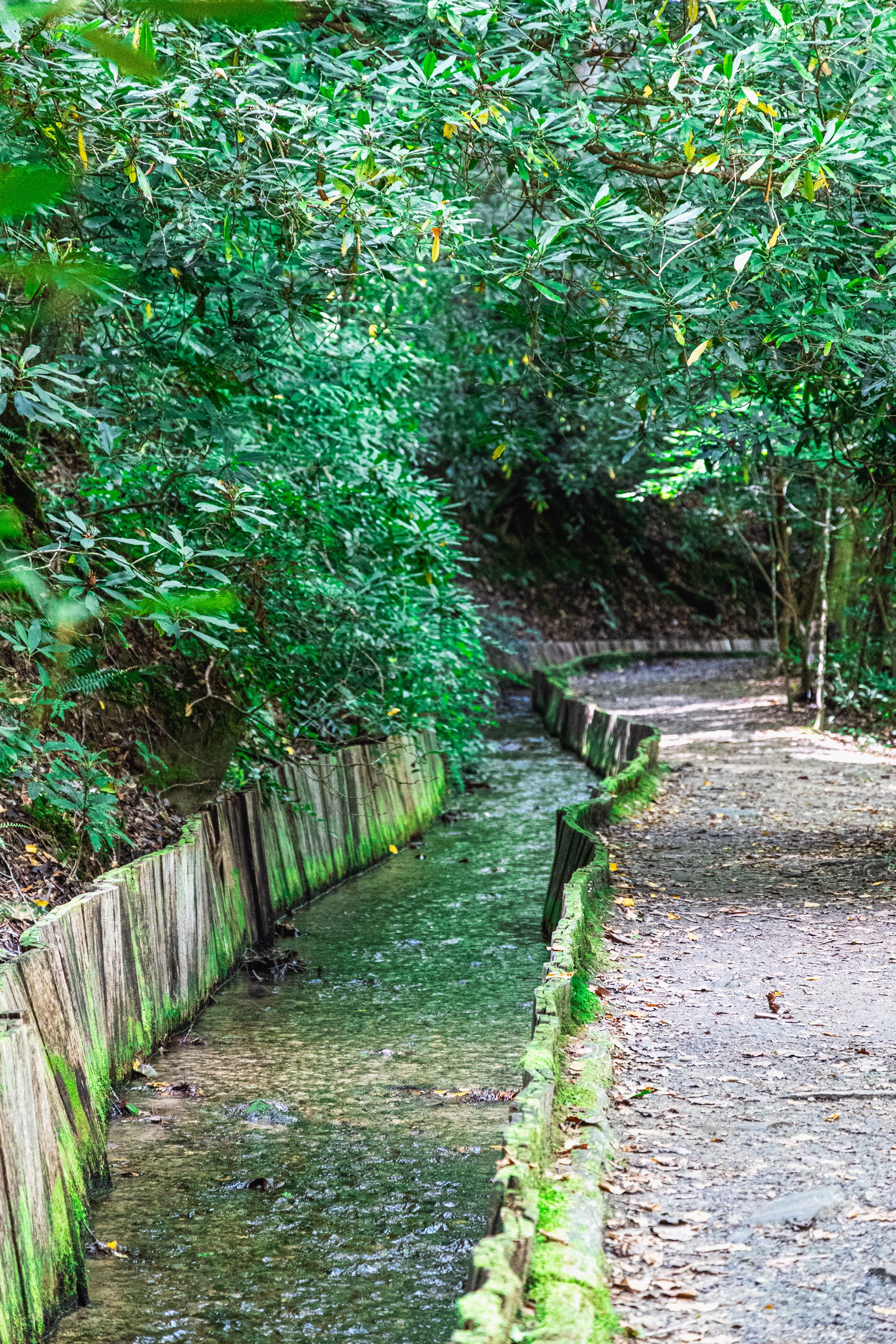
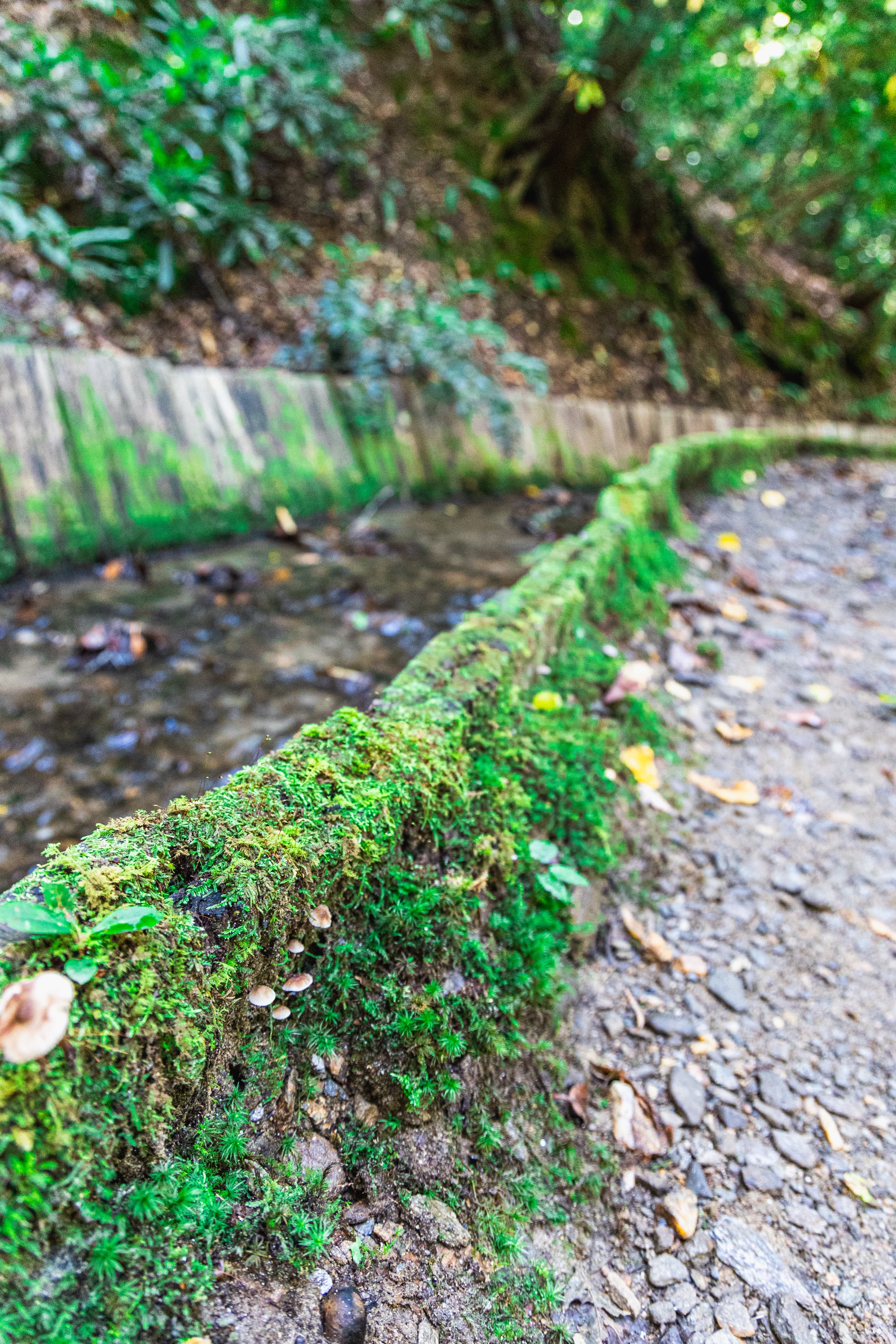
While we couldn’t go inside due to a renovation, we were able to walk around outside and take in the beautiful setting that surrounds the mill. It’s surrounded by woods and almost feels like it’s hidden out in the middle of nowhere, and it’s very secluded despite being only a short walk from the parking lot.