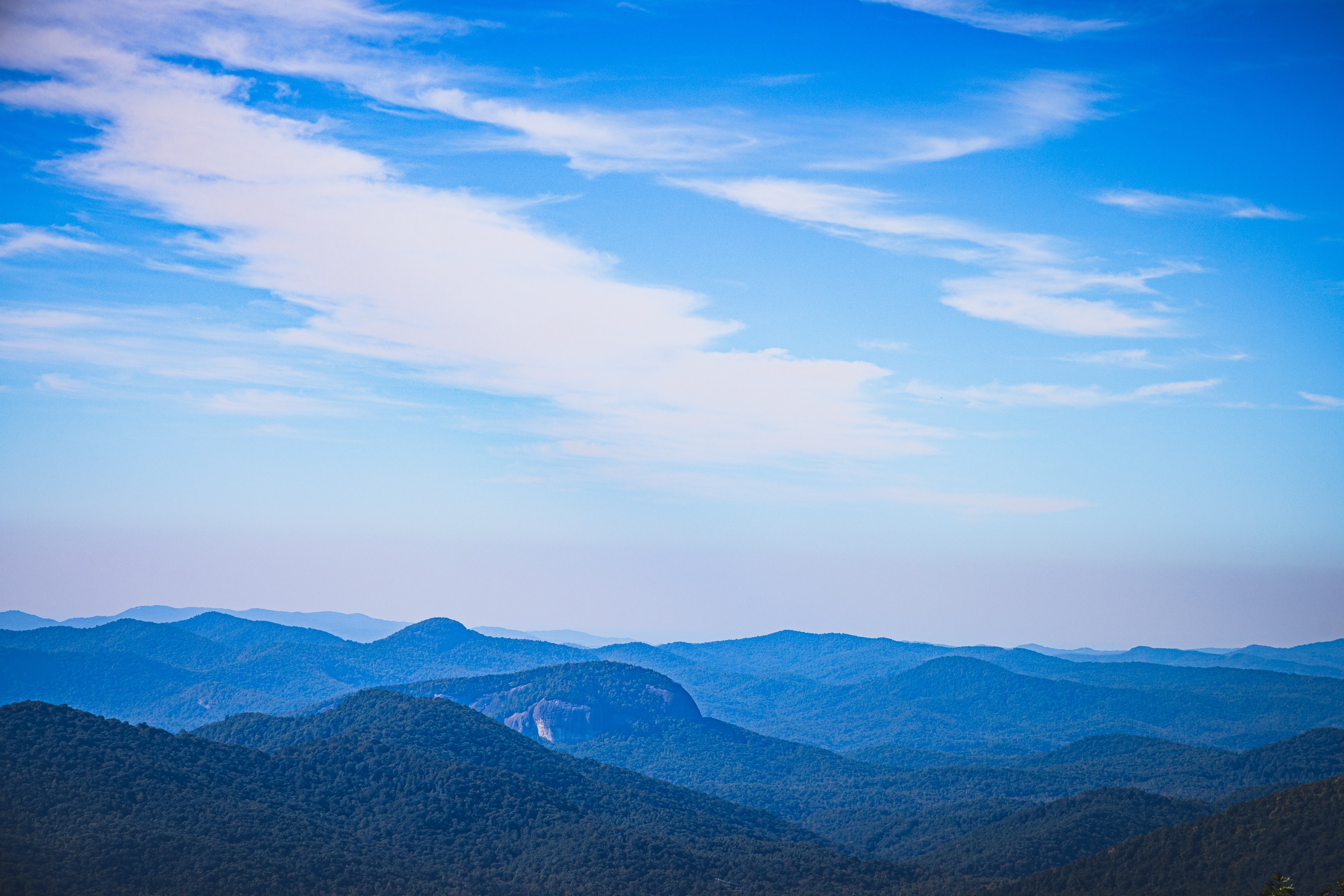
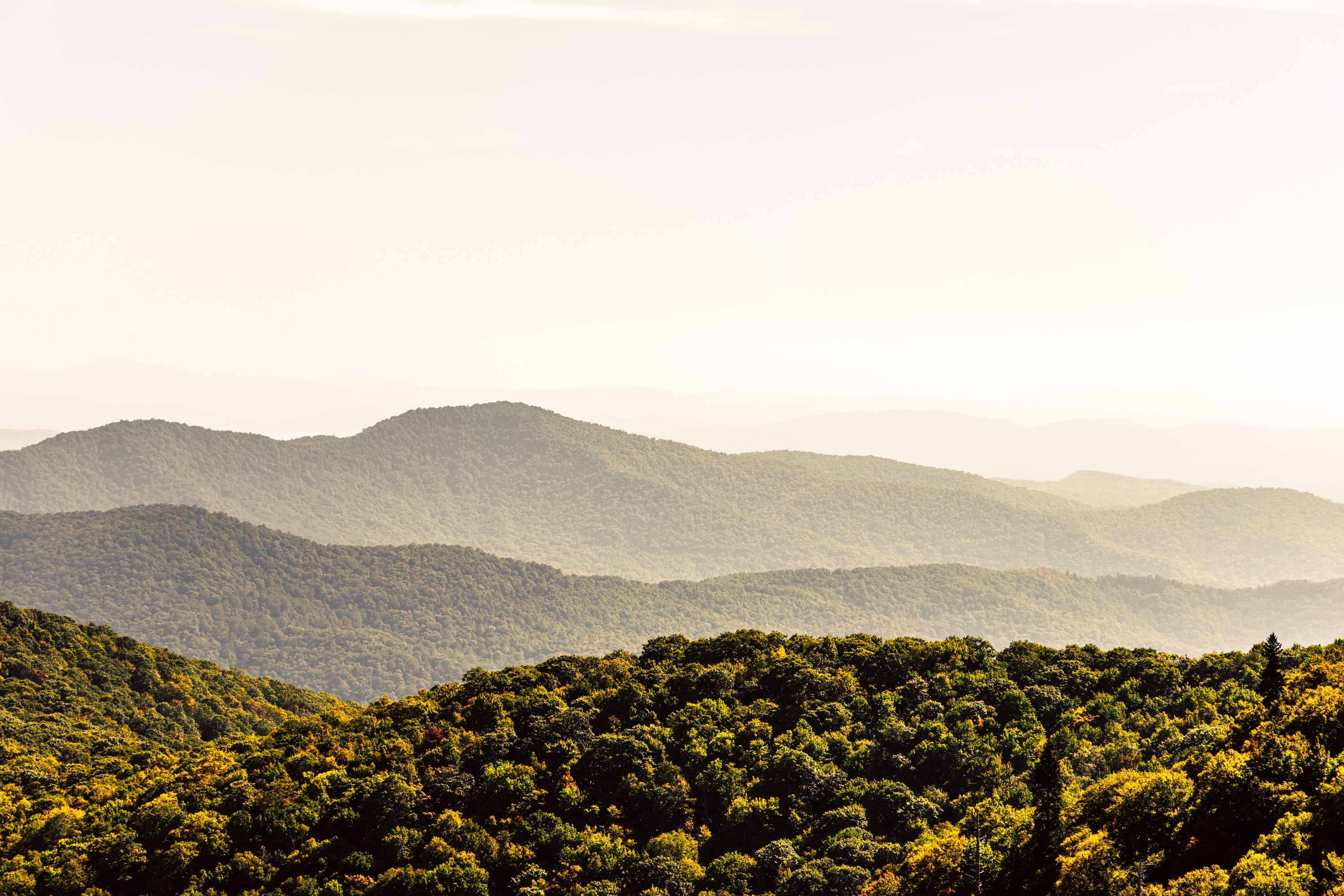
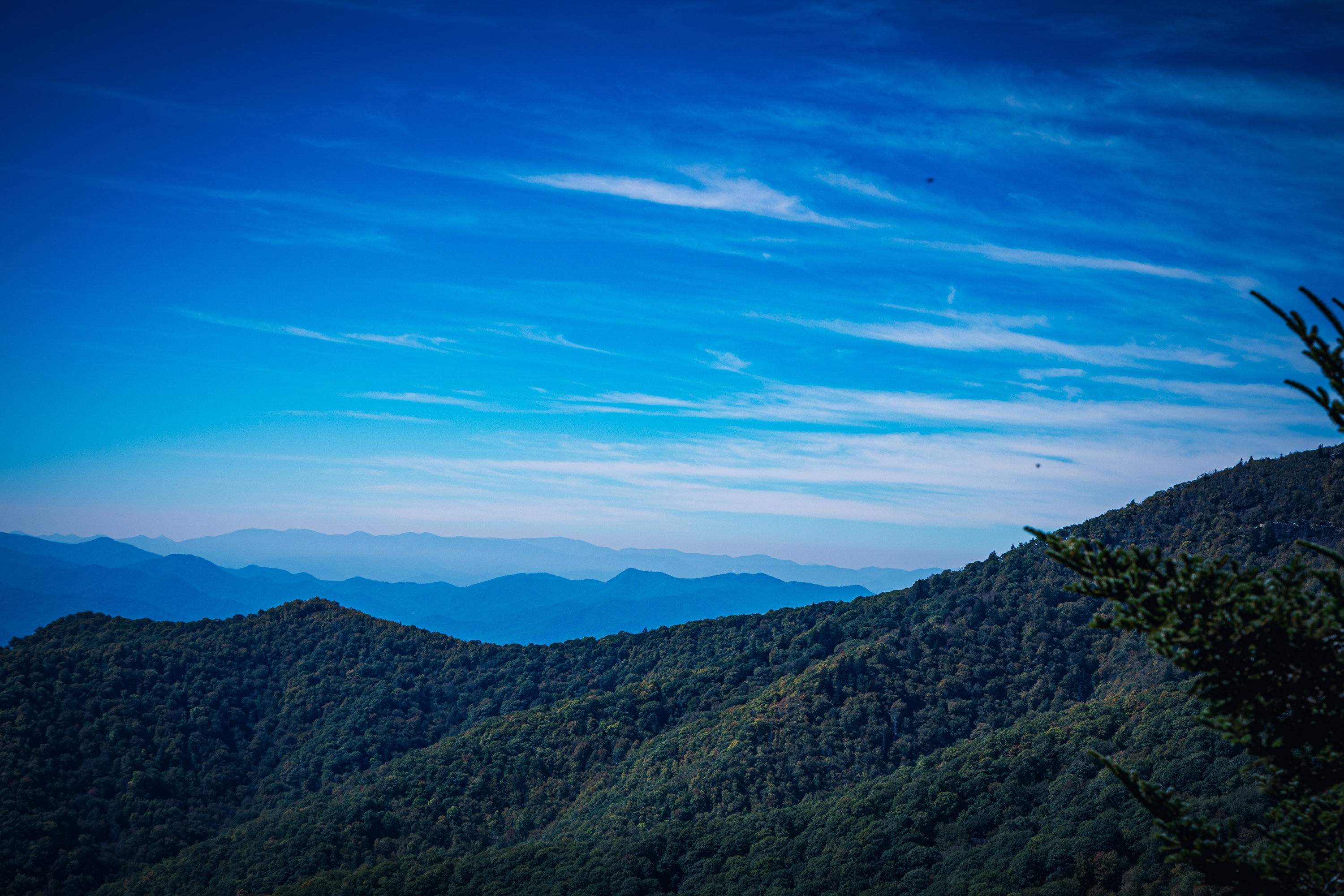
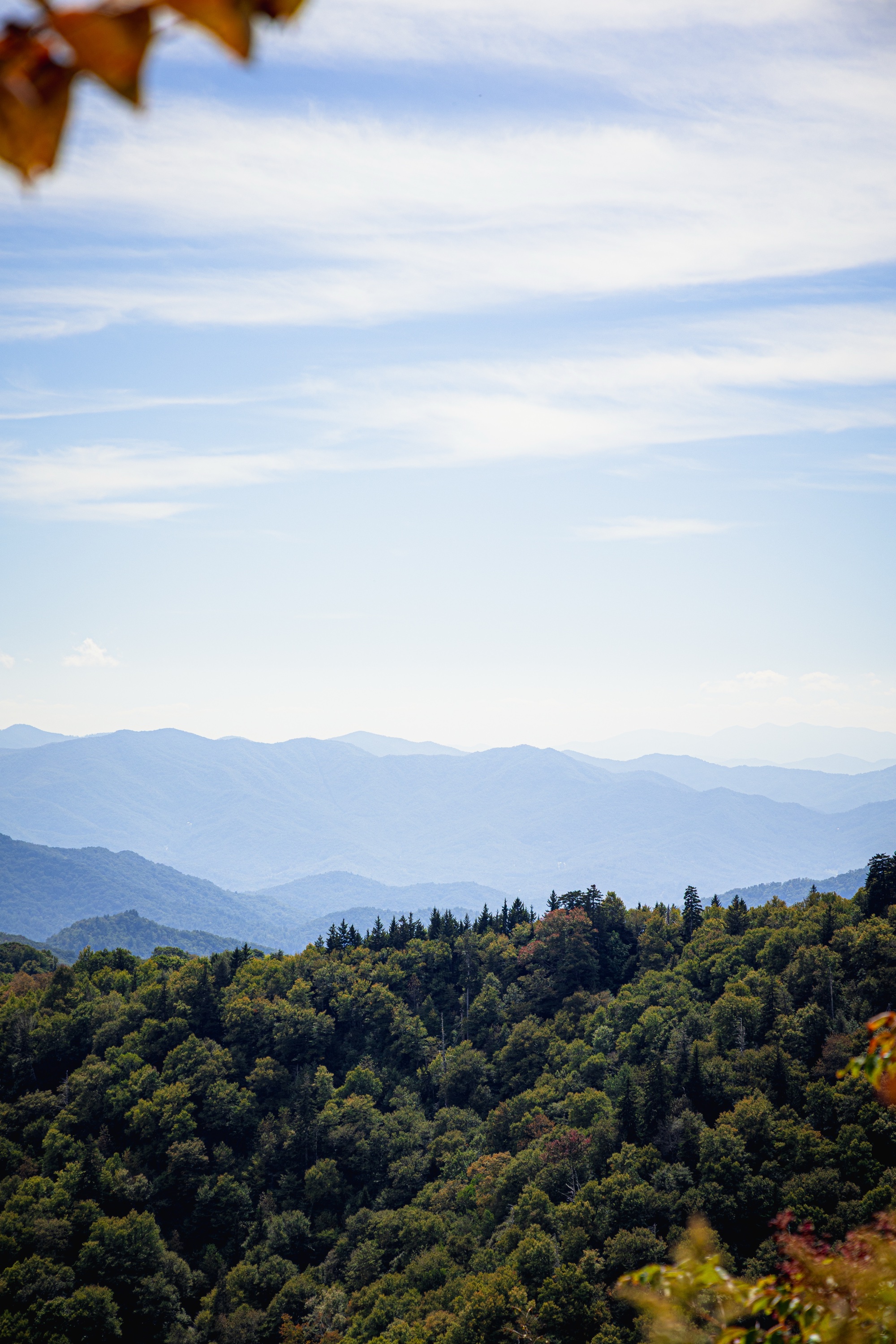
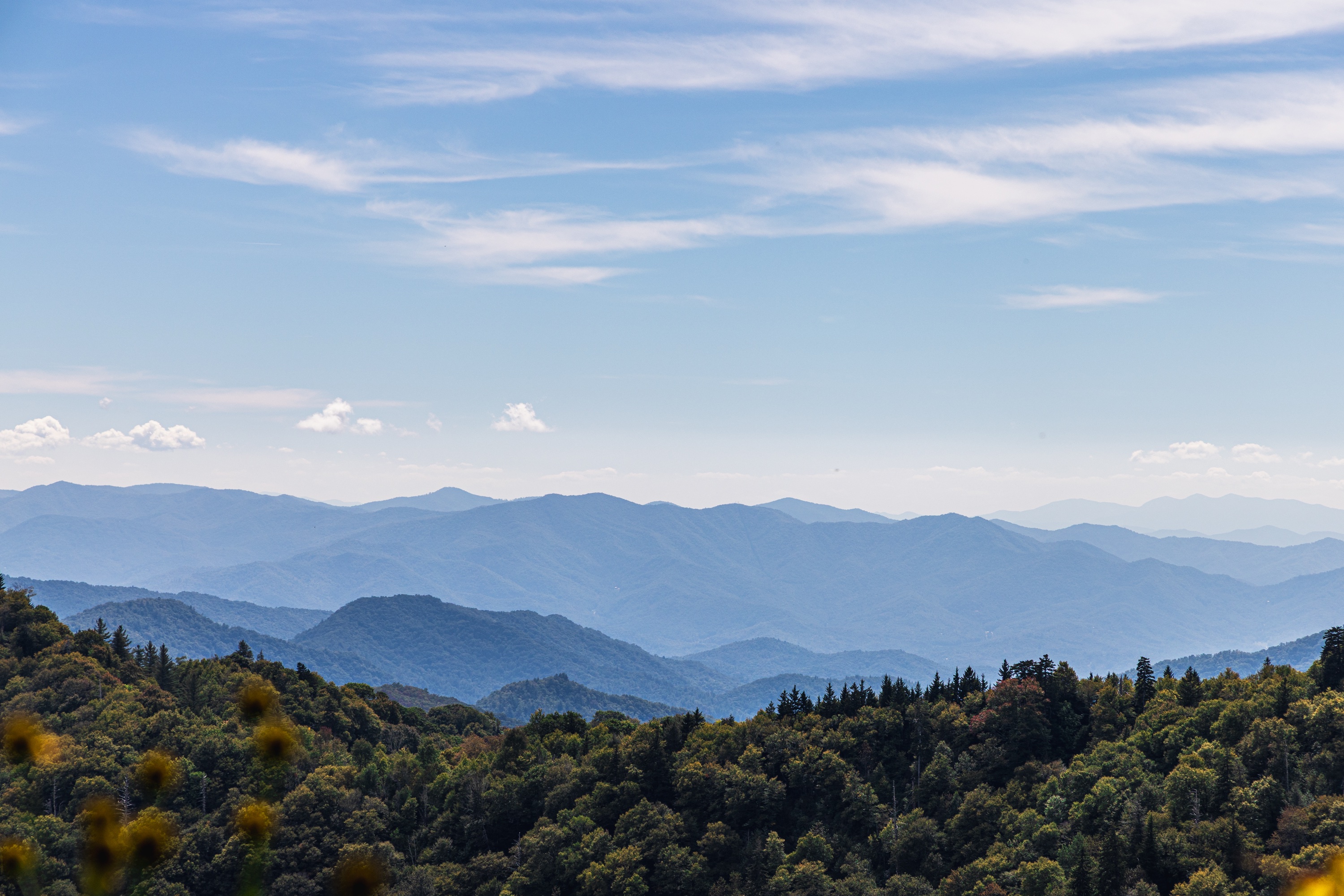
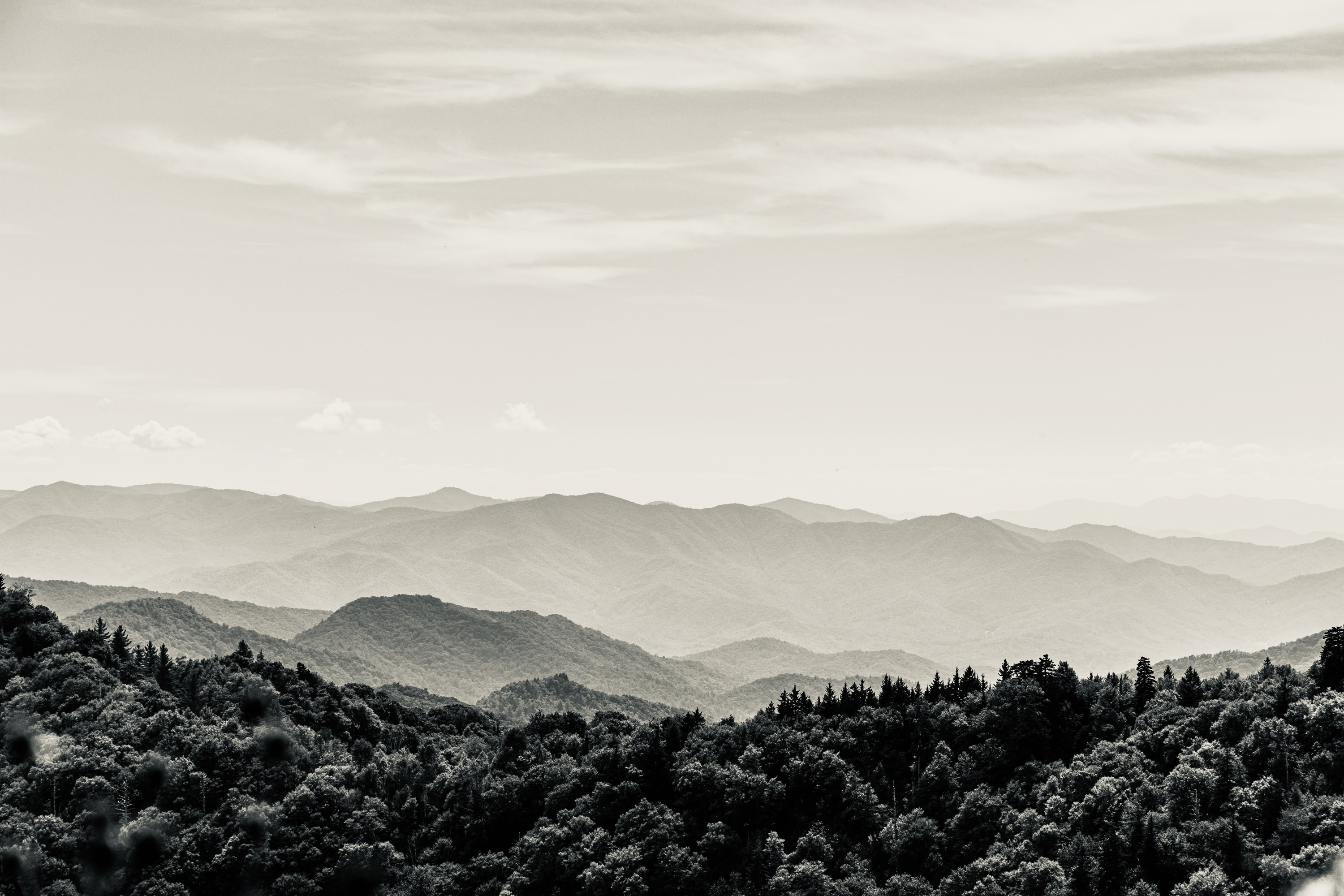
Blue Ridge Parkway,
North Carolina
Living in the Piedmont area of South Carolina, we have access to a lot of natural beauty and scenery. I’m ashamed to admit that in my lifetime of living here, visiting the National Parks was never an item on my list.
After I met my wife, Grace, however, we’ve had a brilliant idea to try and visit at least all of the major National Parks in our lifetime. We’ve started with Congaree National Park, which is the closest to where we live, and most recently we visited the Great Smoky Mountains National Park, which I’ve been to a few times in my life, but when I was much younger and didn’t have the appreciation for the beauty of nature that I now do.
Being a software engineer and stuck behind a computer most of the day means that when I get out and disconnect, I really like to disconnect. This means for the most part, not using my phone except for navigation purposes and video purposes, and instead taking photos on my dedicated camera.
I’ve been using a Canon R6 for many years now and I absolutely love it. It takes stunning photos and I love being able to edit the RAW photos in Lightroom after I’ve taken them, applying my own creative touch to them.
For me, photography is a big part of what makes these trips feel like a real break. Looking for a shot forces me to slow down and actually pay attention: to the way the light falls across a ridgeline, how the fog settles into the valleys in the morning, or the small details I’d otherwise drive right past. A camera with no notifications, no inbox, and no apps keeps me in the moment instead of pulling me back into the screen I spend all week staring at.
Then there’s the documenting part. Memories of a trip fade faster than I’d like to admit, and going back through the photos (first while editing, and again later when writing posts like this one) lets me relive the whole thing. It’s also become a record of the places Grace and I have been together, and one I hope we’ll keep adding to as we work our way through the National Parks.
That’s a big part of why I’m bringing the travel side of this blog back to life. For too long, the photos from our trips have lived only in my Lightroom catalog, and I want to change that. This post is the first of many new travel posts to come: more parks, more road trips, and more of the places we discover along the way, shared here with the photos and stories that go with them.
This is the first part of a 4-part series of posts on our most recent visit to the Great Smoky Mountains National Park, and it starts right where we started our journey: From Asheville, North Carolina to Cherokee, North Carolina on the Blue Ridge Parkway.
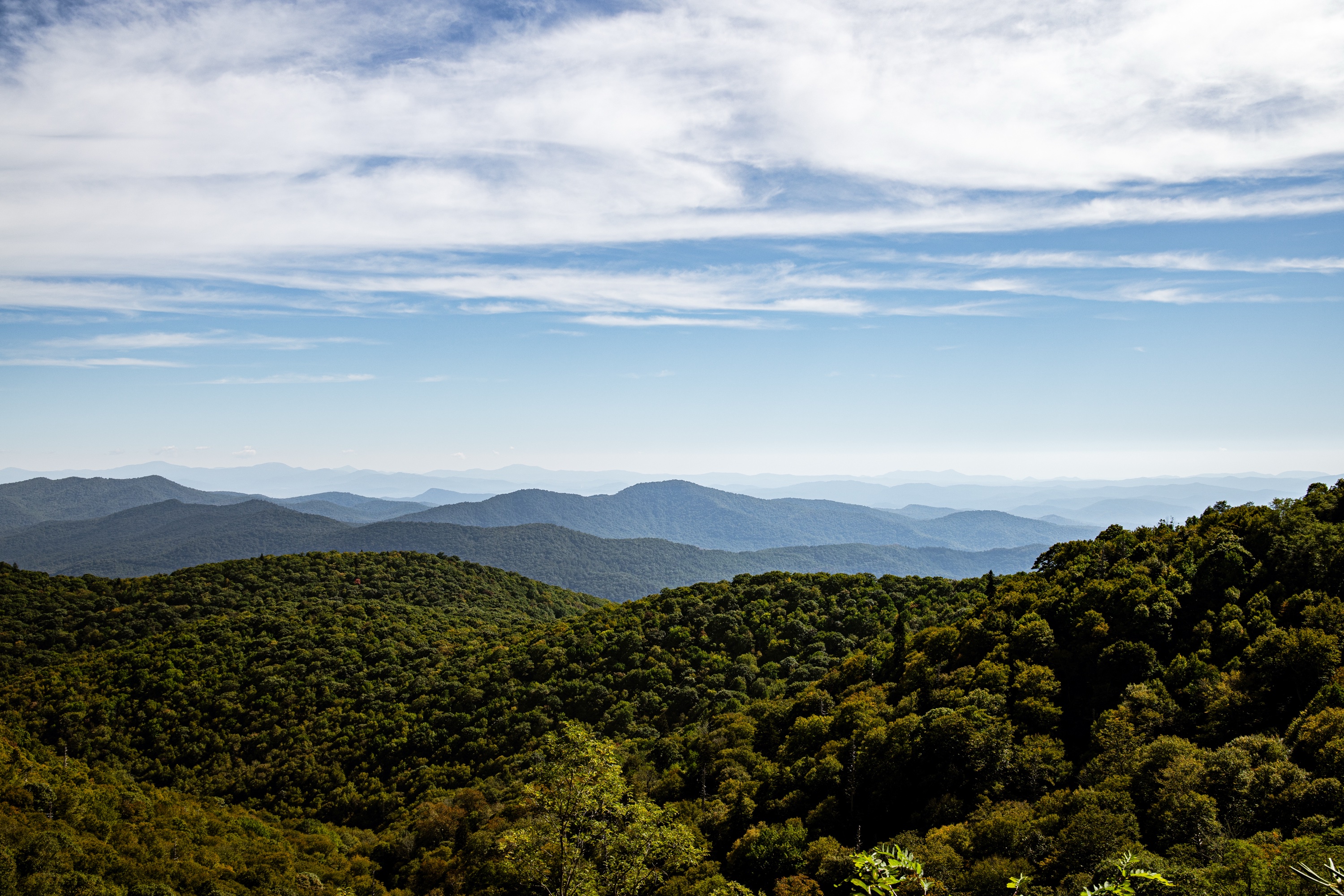
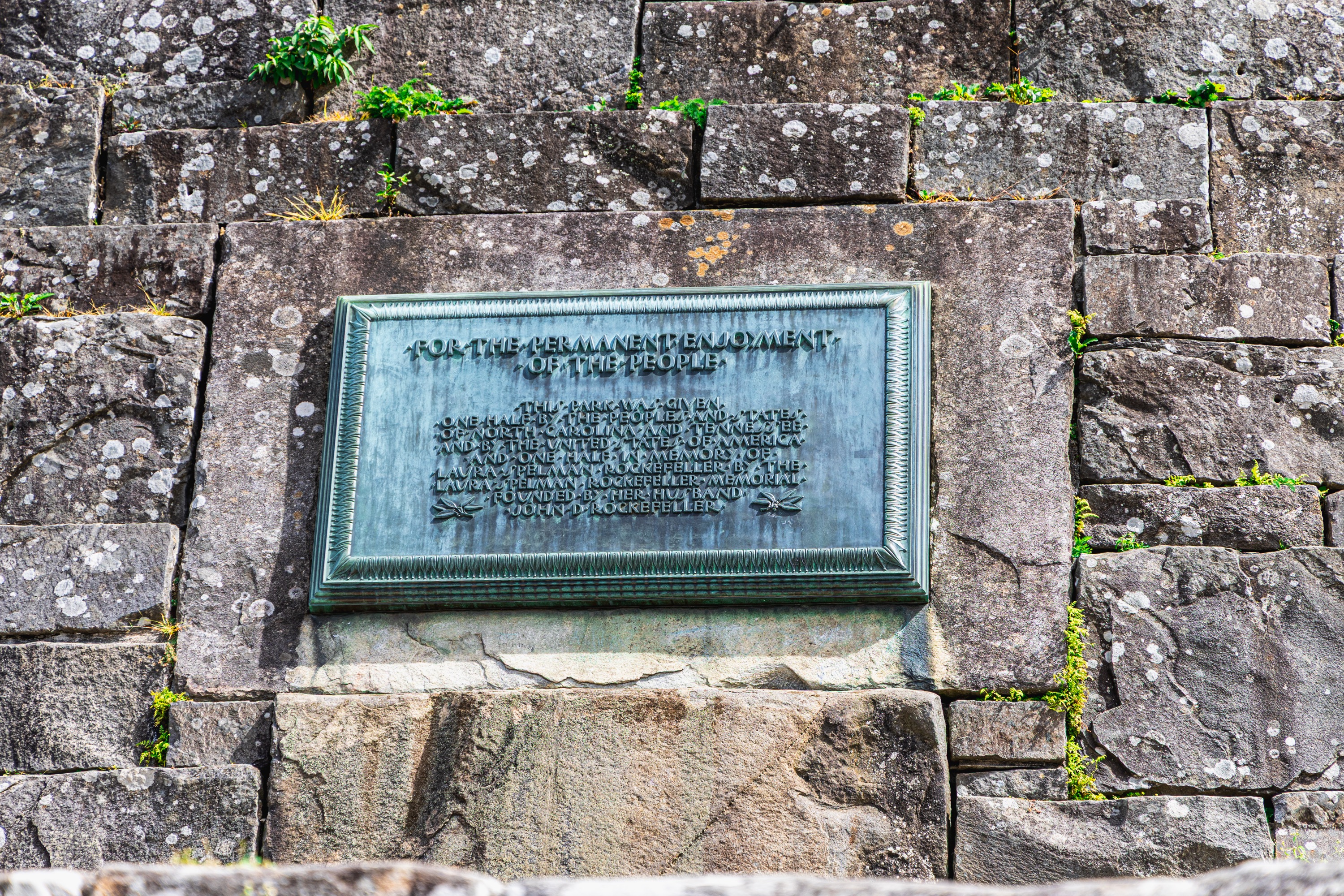
The Blue Ridge Parkway is a wonder of the natural world in as much as the Smoky Mountains are — this scenic byway was started in the 1930s, funded at first by the Public Works Administration under President Franklin D. Roosevelt, and stretches a mind boggling 469 miles from Shenandoah National Park in Virginia to the southeastern edge of the Great Smoky Mountains National Park in Cherokee, North Carolina.
Construction began on September 11, 1935, near Cumberland Knob, just south of the Virginia–North Carolina line. The work was done by private contractors, state and federal highway crews, Italian and Spanish immigrant stonemasons, and thousands of young men from the Civilian Conservation Corps. It took 52 years to finish: the last piece wasn’t opened until September 1987.
The road was designed as much as it was engineered. Stanley Abbott, a young landscape architect who was the project’s very first employee in 1933, spent months wandering the mountains getting to know the land before anything was laid out. His guiding principle was variety, which he called “the spice” of the parkway: wide-open panoramas around one bend and close-up views of rhododendron and farmland around the next. That’s why the drive never feels repetitive, even after hours behind the wheel.
It’s truly a wonder of mankind that we were able to build these roadways through mountain tunnels (26 of them, all but one in North Carolina, and most of those south of Asheville on the very stretch we drove), around bridges that seemingly float in the air (the Linn Cove Viaduct, which wraps around the side of Grandfather Mountain and was the final link to be completed), and despite destruction of Hurricane Helene, is finally scheduled to mostly reopen later this year.
The drive is filled with hairpin turns, beautiful vistas, and overlooks that will make you question if what you’re looking at is even real or not. The section between Asheville and Cherokee is also the highest stretch of the whole parkway, topping out at 6,053 feet at the Richland Balsam Overlook — the highest point on the entire road.
If you’ve never read it, I’d recommend reading the NPS website on the history and design of the Blue Ridge Parkway. It’s more than just historic: for many at the time the roadway was built, it both was a way of life and interrupted their lives, but preserved the history of the people of southern Appalachia for generations to come.
Grace and I have driven most of the Blue Ridge Parkway from the Virginia line down through Cherokee, with only the most northeastern section of the road left to accomplish before we can claim that we’ve driven the entire parkway.
My favorite part about the Blue Ridge Parkway is the ability to stop off into the visitors centers and other small attractions along the way, including the overlooks. In Asheville, you’ll encounter the famed Folk Art Center, which showcases traditional and contemporary crafts from the Southern Appalachian region.
On this trip, we drove the length of the parkway from Asheville through Mt. Pisgah to Cherokee, North Carolina, where it dead-ends into US 441 and you can visit the Oconaluftee Visitor Center for the Great Smoky Mountains National Park.
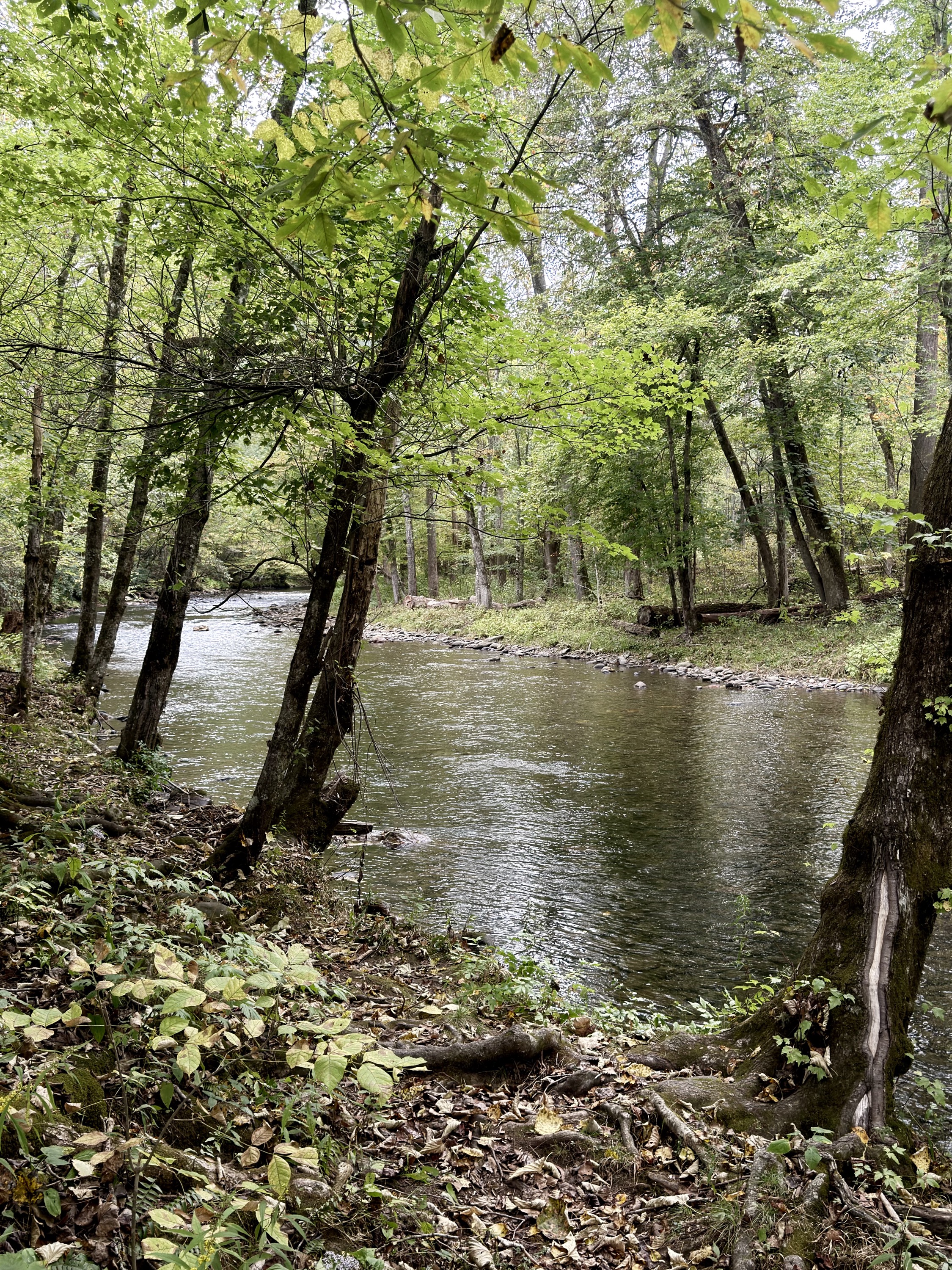
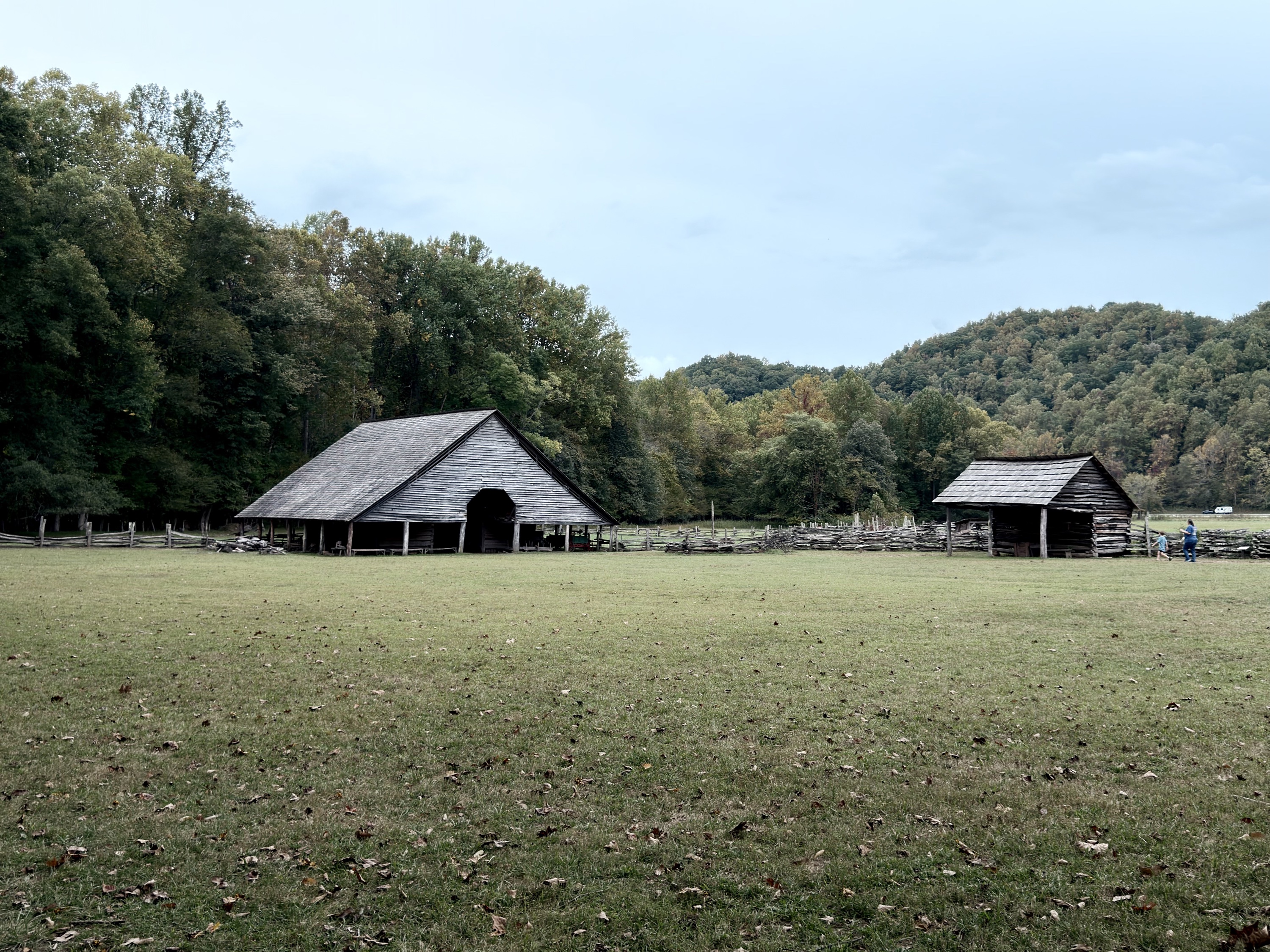
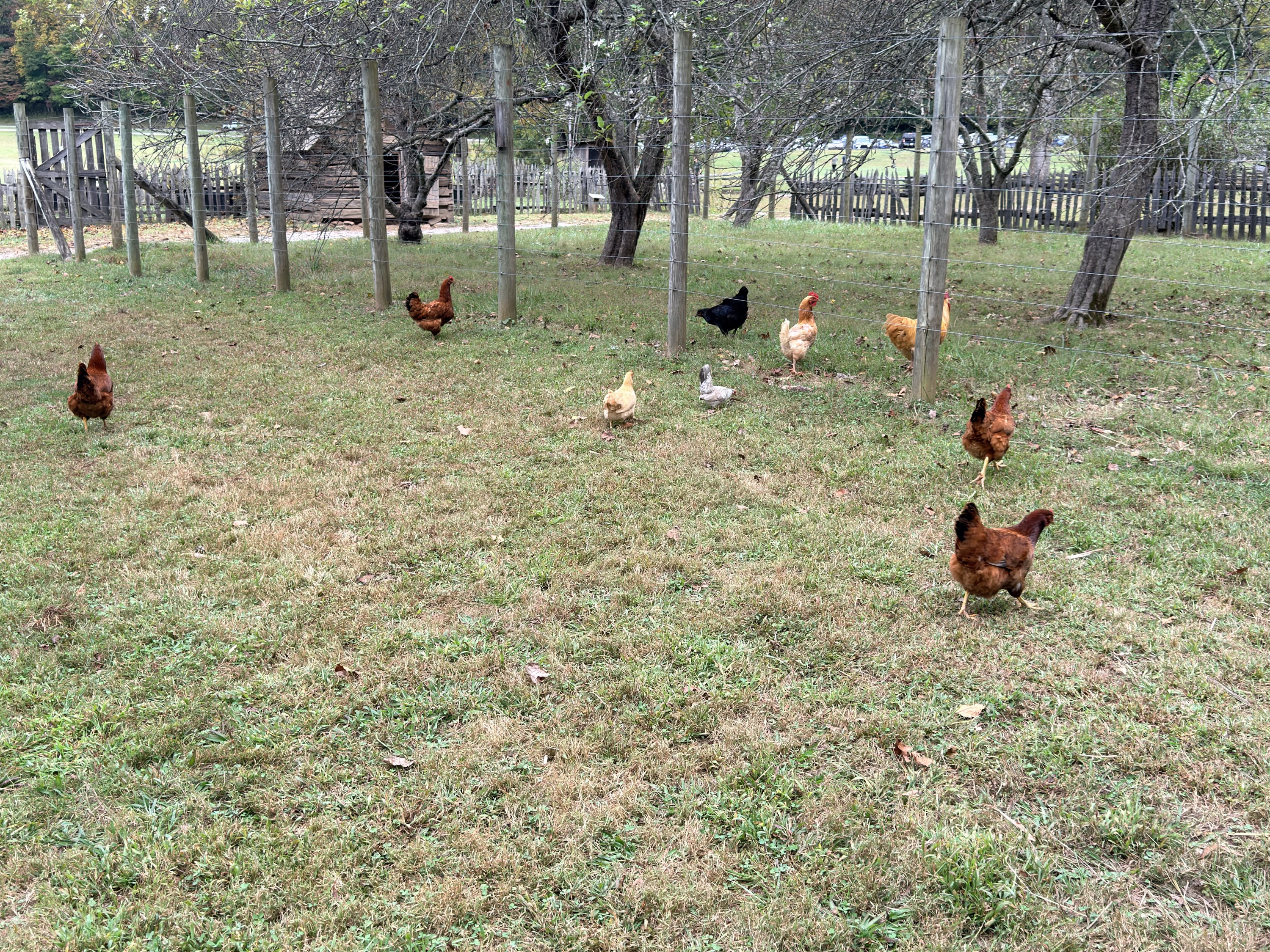
Of course, there you will find much to do, including some smaller hikes, a historic farm with chickens, pigs and you might even catch some banjo pickin’ park rangers.
This visitor center was our first stop in the Great Smoky Mountains, where we got our passport book stamped.